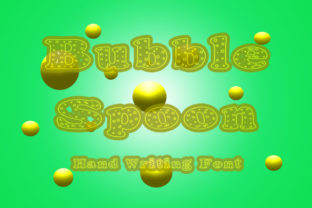
Bubble Spoon Font: Readable Script for Crafters
Finding a script font that balances personality with production practicality is one of the most common challenges for handmade sellers and printable creators. We have all experienced the frustration of selecting a beautiful typeface that looks stunning on screen but becomes illegible when cut on vinyl or printed at a small size on a product label. The Bubble Spoon font addresses this specific pain point by offering a unique script style that prioritizes readability without sacrificing charm. For crafters, Etsy shop owners, and stationery designers, this typeface serves as a reliable workhorse for projects where customer recognition and aesthetic appeal must coexist.
Visual Personality and Maker Appeal
Bubble Spoon distinguishes itself within the Script Amp category through its approachable and soft letterforms. Unlike high-contrast calligraphy fonts that can feel overly formal or difficult to read quickly, this typeface carries a warm, handmade quality that resonates with boutique customers. The strokes are consistent enough to maintain clarity at various sizes, yet they retain the organic flow of genuine handwriting. This visual balance makes it an exceptional choice for brands that want to project friendliness and authenticity. Whether you are designing packaging for organic skincare or creating whimsical nursery art, the font’s inherent warmth helps establish an immediate emotional connection with the viewer.
For digital download creators, this personality translates directly to perceived value. Customers browsing thumbnail images on marketplaces need to instantly understand what a product says. Because Bubble Spoon avoids excessive swashes or tangled ligatures in its standard set, it remains crisp even in low-resolution previews. This clarity reduces bounce rates and helps potential buyers feel confident in their purchase, knowing exactly what text they are acquiring for their own projects.
Practical Applications for Physical Products
The true test of any creative font is how it performs on physical media. Bubble Spoon excels in applications where legibility is non-negotiable. For candle makers and soap artisans, jar labels often have limited real estate. This font allows for elegant product names and scent descriptions that remain readable from a distance on a market table or store shelf. The rounded nature of the letters prevents ink bleed issues on textured papers or uncoated cardstock, ensuring your branding looks professional rather than muddy.
Vinyl crafters using Cricut or Silhouette machines will appreciate the structural integrity of the letterforms. Thin, wispy scripts often fail during weeding or application, leading to wasted material and lost time. Bubble Spoon provides sufficient stroke width for clean cuts on adhesive vinyl, making it ideal for car decals, water bottle stickers, and laptop skins. When designing t-shirts or tote bags, the font scales up beautifully for heat transfer vinyl (HTV) or screen printing without losing its delicate character. It works equally well for sublimation designs on mugs and tumblers, where the curved surface requires a typeface that doesn't distort visually.
Stationery and Invitation Design
In the realm of paper goods, this typeface shines for wedding welcome boards, seating charts, and greeting cards. Its unique style offers a modern alternative to traditional bridal calligraphy, appealing to couples seeking a relaxed yet polished aesthetic. For printable planners and journals, Bubble Spoon serves as an excellent header font that organizes content without overwhelming the page. Digital template creators can utilize it for social media quotes or Instagram story overlays, where quick readability is essential for engagement. The font’s versatility means you can use it across multiple product lines while maintaining a cohesive brand identity.
Strategic Font Pairing for Professional Results
To maximize the commercial utility of Bubble Spoon, pairing it correctly with complementary typefaces is essential. As a display font with distinct personality, it should generally be reserved for titles, names, logos, and short phrases. Using it for body copy can reduce readability and diminish its special impact. Instead, anchor it with a clean sans serif font like Montserrat or Open Sans for secondary information such as dates, locations, or ingredient lists. This contrast creates a hierarchy that guides the customer’s eye and ensures all necessary information is accessible.
For a more vintage or artisanal look, consider pairing Bubble Spoon with a simple serif font. The combination of soft script and structured serifs evokes a sense of heritage and craftsmanship, perfect for farm-to-table food labels or rustic home decor signs. When designing logos, test the script against bold geometric sans serifs to create a dynamic tension that feels contemporary and memorable. Always preview these pairings at actual print size before finalizing your design assets to ensure the visual weight is balanced.
Production Tips and Technical Considerations
When working with Bubble Spoon in cutting software or design platforms, pay attention to kerning and spacing. While the font has great natural readability, slight adjustments can enhance flow for specific words. For vinyl projects, welding letters is typically necessary to create a continuous cut line; fortunately, the connecting points in this typeface are designed to facilitate smooth welding without creating bulky overlaps. If you are using the font for foil stamping or embossing, verify that the stroke width accommodates your specific machine’s minimum line thickness to prevent broken impressions.
Always check the included file formats and language support before starting a client project. Ensuring you have access to OTF, TTF, and WOFF files guarantees compatibility across different software and web platforms. If your project requires multilingual text or special characters, confirm these are supported to avoid last-minute substitutions that could compromise your design consistency. Utilizing OpenType features, if available, can provide access to alternates that add custom flair to specific letters without breaking the overall harmony of the word shape.
Navigating Commercial Licensing for Sellers
Understanding licensing is just as important as mastering the design tools. Before selling products featuring Bubble Spoon, carefully review the license agreement provided by the foundry. Most standard licenses cover physical end products like shirts, mugs, and printed stationery, but may require an extended license for digital templates, SVG files for resale, or large-scale manufacturing. Protecting your business means ensuring every use case is compliant. Keep records of your license purchase and note any limitations regarding impression counts or revenue caps.
Respecting intellectual property also builds trust with your customer base. When clients ask about the fonts used in your custom work, being able to confidently explain your licensing demonstrates professionalism. For those creating digital downloads, never distribute the raw font file. Instead, flatten your designs or convert text to outlines when appropriate to protect the type designer’s work while delivering a functional product to your buyer. By treating Bubble Spoon as a valuable business asset and adhering to proper usage guidelines, you ensure sustainable creativity and legal peace of mind for your handmade enterprise.